
Moisture issues in basements and crawl spaces can lead to significant structural damage and health risks for homeowners in Chesterfield, VA. Understanding the causes and solutions for these problems is essential for maintaining a safe and healthy living environment. This article will explore effective moisture control strategies, including waterproofing techniques, crawl space encapsulation, and foundation drainage systems. Homeowners will learn about the risks associated with untreated moisture, the best practices for prevention, and the financial options available for implementing these solutions. By addressing these concerns, residents can protect their homes from the detrimental effects of moisture.
Basement and crawl space moisture issues often stem from a combination of environmental factors and structural vulnerabilities. In Chesterfield, local soil conditions and climate play a significant role in moisture accumulation. Heavy rainfall, poor drainage, and high humidity levels can exacerbate these problems, leading to water infiltration and dampness. Understanding these causes is crucial for effective moisture management.
The soil composition in Chesterfield, which includes clay and silt, can retain water, increasing the likelihood of moisture issues in basements and crawl spaces. Additionally, the region’s rainfall patterns, characterized by seasonal downpours, contribute to water accumulation around foundations. Temperature variations can also affect moisture levels, as warmer months may lead to increased evaporation, while colder months can cause condensation. These factors create a challenging environment for homeowners, necessitating proactive moisture control measures.
Failing to address moisture issues can lead to severe consequences for homeowners. Structural damage is a primary concern, as prolonged exposure to moisture can weaken foundations and lead to costly repairs. Moreover, untreated moisture creates an ideal environment for mold growth, which poses health risks to residents, including respiratory issues and allergic reactions. Statistics indicate that homes with persistent moisture problems are significantly more likely to experience mold infestations, making timely intervention essential for safeguarding both property and health.
The critical link between water damage and mold contamination, along with its health implications, is well-documented.
Effective basement waterproofing techniques are vital for preventing moisture intrusion and protecting homes in Chesterfield. Various methods can be employed, each with its advantages and considerations. Homeowners should evaluate these options based on their specific needs and the unique characteristics of their properties.
There are several waterproofing methods available, including interior and exterior solutions. Interior waterproofing typically involves the installation of drainage systems and sump pumps to manage water that enters the basement. In contrast, exterior waterproofing focuses on preventing water from reaching the foundation through the application of waterproof membranes and proper grading. Each method has its cost-effectiveness and long-term benefits, making it essential for homeowners to choose the right approach for their situation.
Modern waterproofing solutions utilize advanced materials and technologies to enhance effectiveness. For instance, high-quality waterproof membranes and sealants are designed to withstand hydrostatic pressure and prevent water infiltration. Additionally, innovations such as smart sump pumps equipped with monitoring systems provide homeowners with real-time data on moisture levels, allowing for proactive management. These advancements not only improve the durability of waterproofing systems but also contribute to long-term cost savings by reducing the need for repairs.
The development of advanced materials, such as specialized waterproof fabrics, plays a crucial role in enhancing the efficacy of modern waterproofing systems.
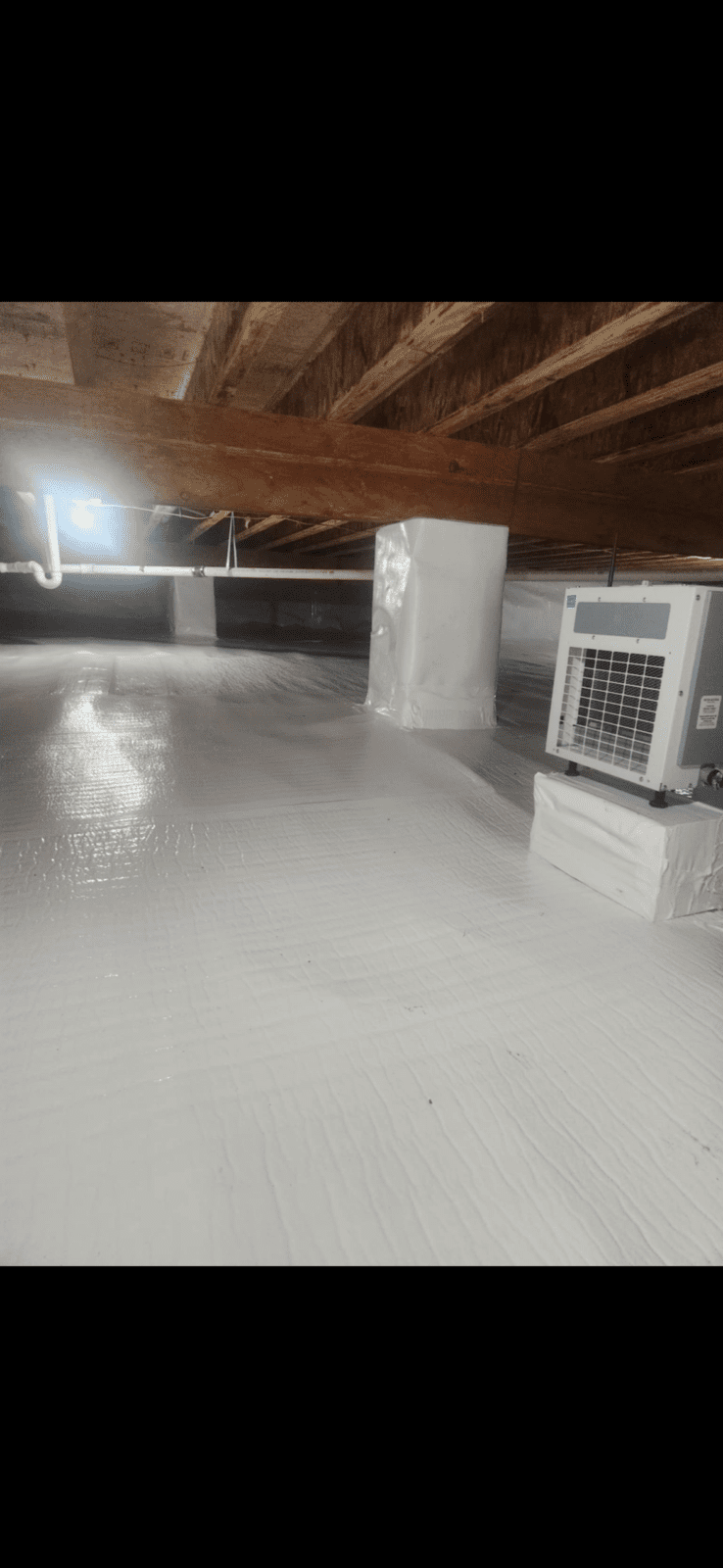
Crawl space encapsulation and ventilation are critical components of moisture control strategies for homes in Chesterfield. By sealing off the crawl space from external moisture sources, homeowners can significantly reduce humidity levels and improve indoor air quality. This approach not only protects the structural integrity of the home but also enhances energy efficiency.
Further research supports the effectiveness of sealed crawl spaces in managing moisture and improving energy performance.
Effective vapor barriers are essential for crawl space encapsulation. These barriers, typically made from polyethylene, prevent moisture from seeping into the crawl space. Additionally, proper ventilation methods, such as exhaust fans and passive vents, help regulate humidity levels by allowing moist air to escape. Homeowners should consider the installation of both vapor barriers and ventilation systems to create a comprehensive moisture control solution.
Encapsulation not only mitigates moisture issues but also contributes to energy efficiency. By sealing the crawl space, homeowners can reduce the energy required for heating and cooling, leading to lower utility bills. Furthermore, encapsulation minimizes the risk of mold growth by creating an environment that is less conducive to moisture accumulation. This dual benefit makes encapsulation an attractive option for homeowners looking to improve both comfort and health in their living spaces.
Foundation drainage systems and sump pumps are essential for managing water around a home’s foundation. These systems work together to prevent water accumulation and protect against flooding, ensuring the longevity of the structure.
Foundation drainage systems, such as French drains, are designed to redirect water away from the foundation, effectively reducing hydrostatic pressure. By channeling water away from the home, these systems prevent water from seeping into basements and crawl spaces. Proper installation and maintenance of these systems are crucial for their effectiveness, as blockages can lead to water buildup and potential damage.
Sump pumps play a vital role in basement moisture control by removing excess water that may accumulate during heavy rainfall or flooding. The benefits of installing a sump pump include enhanced protection against water damage and mold growth. Homeowners should regularly maintain their sump pumps by checking for clogs, testing the pump’s functionality, and ensuring that the discharge line is clear. This proactive approach can help prevent costly repairs and ensure the system operates effectively when needed.
Mold prevention and remediation are critical for maintaining a healthy living environment in moisture-prone areas. Understanding effective strategies for mold control can help homeowners protect their properties and their health.
To prevent mold growth, homeowners should implement several key strategies. These include controlling indoor humidity levels, ensuring proper ventilation, and conducting regular inspections for signs of moisture. Additionally, using mold-resistant materials during construction or renovation can further reduce the risk of mold infestations. By taking these proactive measures, homeowners can significantly decrease the likelihood of mold-related issues.
Mold remediation becomes necessary when mold growth is detected, particularly in areas where it poses health risks. The remediation process typically involves identifying the source of moisture, containing the affected area, and removing contaminated materials. Professional mold remediation services may be required for extensive infestations, ensuring that the problem is addressed thoroughly and safely. Homeowners should act quickly upon discovering mold to prevent further damage and health complications.
Business Name:
Capps Crawlspace and Construction, LLC
Address:
1953 River Rd Unit C, Henrico, NC 27842
Phone:
434-594-1219 (VA)
252-308-2231 (NC)
Business Hours:
Monday-Sunday: 8:00 AM- 8:00 PM
