
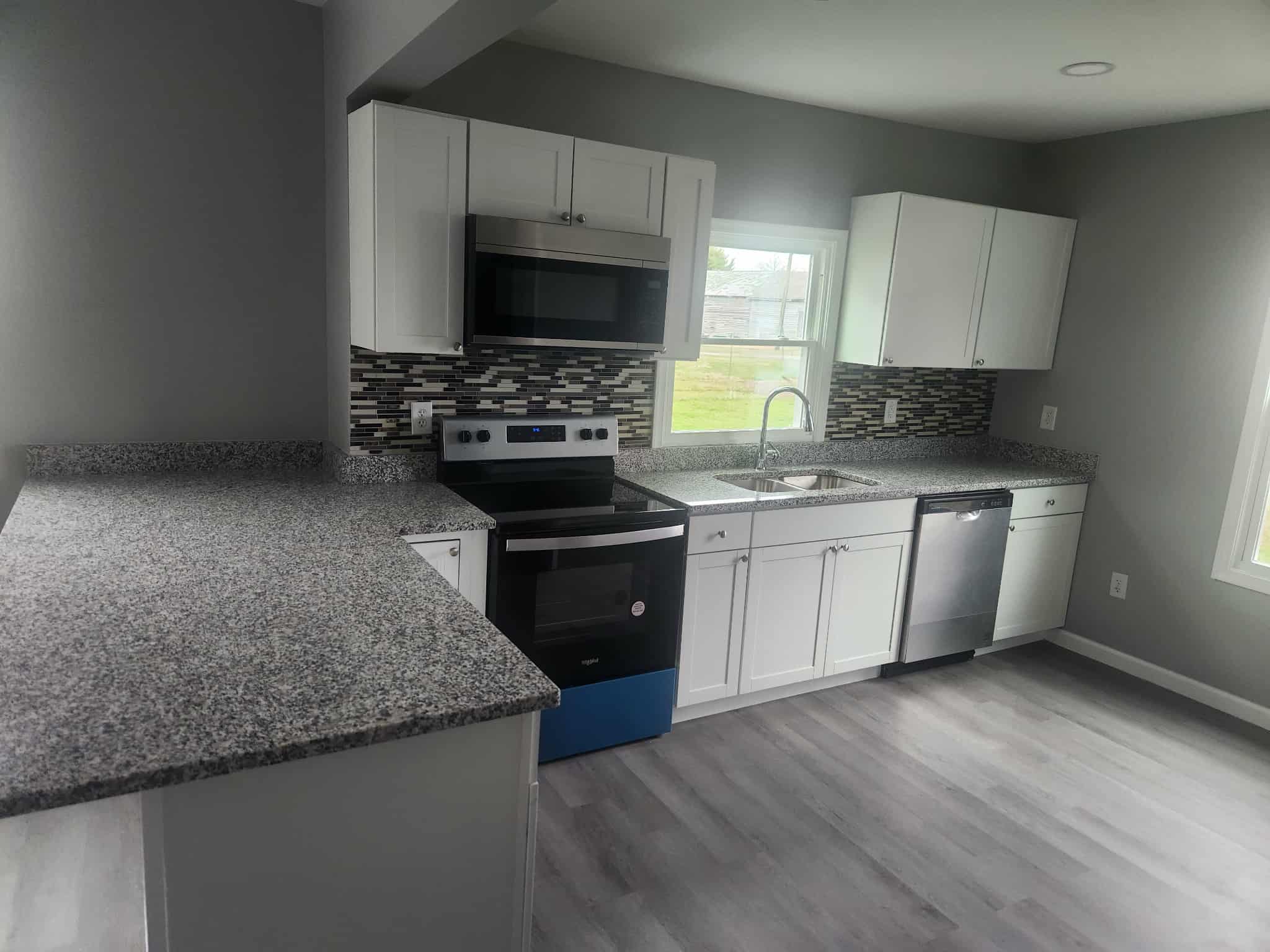
Lakefront properties in Henrico, NC, and the surrounding areas are constantly battling high humidity and changing moisture levels that can wreck floors and make a home uncomfortable. If you’re looking for flooring that can handle the dampness, you need tough, waterproof surfaces. But the real secret to long-lasting floors starts underneath them.
This guide dives into why controlling moisture in your crawl space is crucial, explores the best waterproof flooring options, covers how to prep your subfloor and manage humidity, and helps you pick the perfect flooring for a lakeside home.
Keeping your crawl space dry is the bedrock of reliable flooring performance in a humid lakefront setting. When excess groundwater and damp air get into poorly sealed crawl spaces, they push moisture into your subfloors. This leads to mold, wood rot, and glue failures that drastically shorten your floor’s life. A dry, climate-controlled crawl space creates a stable subfloor environment, preventing moisture damage and ensuring your flooring lasts for years.
Effective moisture control means sealing up your crawl space with a heavy-duty barrier system. At Capps Crawlspace and Construction, LLC, we install a seamless 16-mil vapor barrier, drainage channels around the perimeter, and optional sump pumps to whisk water away from your joists and subflooring. This process stops moisture from seeping up from the ground and keeps the relative humidity under your floor below 55%, safeguarding whatever flooring you choose.
By tackling the dampness at its source, you’re protecting your luxury vinyl plank (LVP), engineered hardwood, tile, or stone floor from swelling, cupping, and adhesive failure. A healthy crawl space also means fewer allergens and musty smells indoors, creating the perfect stable environment for your moisture-resistant flooring to shine.
Moisture in the crawl space breeds mold, mildew, and decay, which wreak havoc on your floors by warping planks, loosening grout, and breaking down adhesives. For instance, engineered hardwood often cups after repeated moisture cycles under the subfloor, and too much vapor can corrode tile backing, leading to hollow spots and cracks.
Professional crawl space encapsulation uses a multilayer barrier, perimeter drainage, and sump pump integration to keep soil moisture and groundwater out of your crawl space air. Installing a sealed 16-mil vapor barrier on the walls and floor, along with Insul-Barrier insulation and an AprilAire dehumidifier, creates a climate-controlled zone that keeps subfloor humidity from reaching damaging levels.
A sealed, insulated crawl space blocks soil gases and moisture, preventing mold spores from taking root on your wooden joists and cutting down on musty odors. Consistent humidity control stops wood from expanding and contracting, ensuring your planks lie flat and your grout stays intact, preserving the look and function of any flooring above.
Living by the lake means you need flooring that can handle standing water, spills, and constant humidity without sacrificing style. Here are the top three you should choose:
Here’s a quick look at how these top waterproof flooring choices stack up.
Luxury vinyl plank is completely waterproof, thanks to its solid polymer core and sealed edges. Its tough, scratch-resistant wear layer can also handle pet claws and heavy foot traffic, while realistic wood-grain textures provide the warmth and character of hardwood without the moisture-related headaches.
The cross-laminated core of engineered hardwood stabilizes the real wood veneer, minimizing expansion and contraction. When installed over a moisture-controlled crawl space and the right underlayment, it offers genuine wood beauty with better resistance to cupping and warping than solid hardwood.
Porcelain tiles have a water absorption rate of 0.5% or less, which makes them extremely dense and virtually immune to spills, high humidity, and frost damage. Glazed ceramic tiles are highly moisture-resistant due to their glazed surface, but their underlying body is more porous, with absorption rates typically ranging from 0.5% to over 7%. The glazed surface on both types resists stains, fading, and wear, and you should always seal the porous grout lines for extra moisture protection.
Natural stone offers unique patterns and robust durability, but needs periodic sealing. Waterproof laminate features a stabilizing core similar to luxury vinyl plank but uses different locking mechanisms. Sheet vinyl provides a seamless, budget-friendly, waterproof surface that installs quickly and resists moisture intrusion.
Proper subfloor preparation is essential for creating a moisture-resistant foundation for any flooring material. A level, clean, and dry surface prevents gaps and ensures adhesives bond correctly.
Before you install anything, inspect your crawl space and address any issues through encapsulation. Installing a continuous 16-mil vapor barrier across the crawl space floor and walls creates a moisture shield that protects your subfloor. Effective moisture control also relies on integrated drainage channels and sump pumps to manage groundwater seepage.
Lay down a vapor barrier and slip sheet on the subfloor to isolate flooring adhesives from any lingering moisture. Allow concrete slabs to cure for at least 28 days and confirm moisture levels with a calcium chloride test to ensure the substrate is ready. Proper acclimation of wood-based flooring for 48–72 hours in the home’s ambient humidity conditions completes the preparation steps.
Keeping indoor humidity below 55% prevents moisture buildup that can damage adhesives, warp wood, and encourage mold growth. One highly effective solution is installing an AprilAire dehumidifier in the crawl space to continuously remove excess moisture right at the source.
A dehumidification system pulls damp air from under your floor, condenses the water vapor, and releases dry air back into the crawl space, stabilizing conditions beneath the subfloor. Homeowners can also use portable dehumidifiers in their main living areas to support overall home humidity control.
Supplement dehumidification with improved perimeter drainage and sump pump backups to direct water away from your foundation. Together, these systems offer a layered defense that maintains optimal flooring performance and indoor air quality.
Selecting flooring for humid lakefront properties means carefully considering the climate, the condition of your subfloor, and your lifestyle needs. Prioritize materials known for their waterproof capabilities and minimal expansion in fluctuating humidity levels.
First, assess the health of your crawl space, as a fully encapsulated and dehumidified foundation is essential for any flooring success. Materials like luxury vinyl plank perform exceptionally well when subfloor moisture is under control, while engineered hardwood requires consistent humidity management. Tile and stone remain excellent choices for areas with the highest potential for water exposure.
For expert guidance and a complimentary estimate on crawl space encapsulation and moisture control solutions, don’t hesitate to contact us at Capps Crawlspace and Construction, LLC Our comprehensive services ensure a dry, stable foundation, allowing your chosen flooring to look and perform its best for years to come.
In fact, you can safeguard your lakefront investment by combining expert moisture control with the ideal flooring materials, perfectly suited for Henrico’s humid environment.
Business Name:
Capps Crawlspace and Construction, LLC
Address:
1953 River Rd Unit C, Henrico, NC 27842
Phone:
434-594-1219 (VA)
252-308-2231 (NC)
Business Hours:
Monday-Sunday: 8:00 AM- 8:00 PM
