
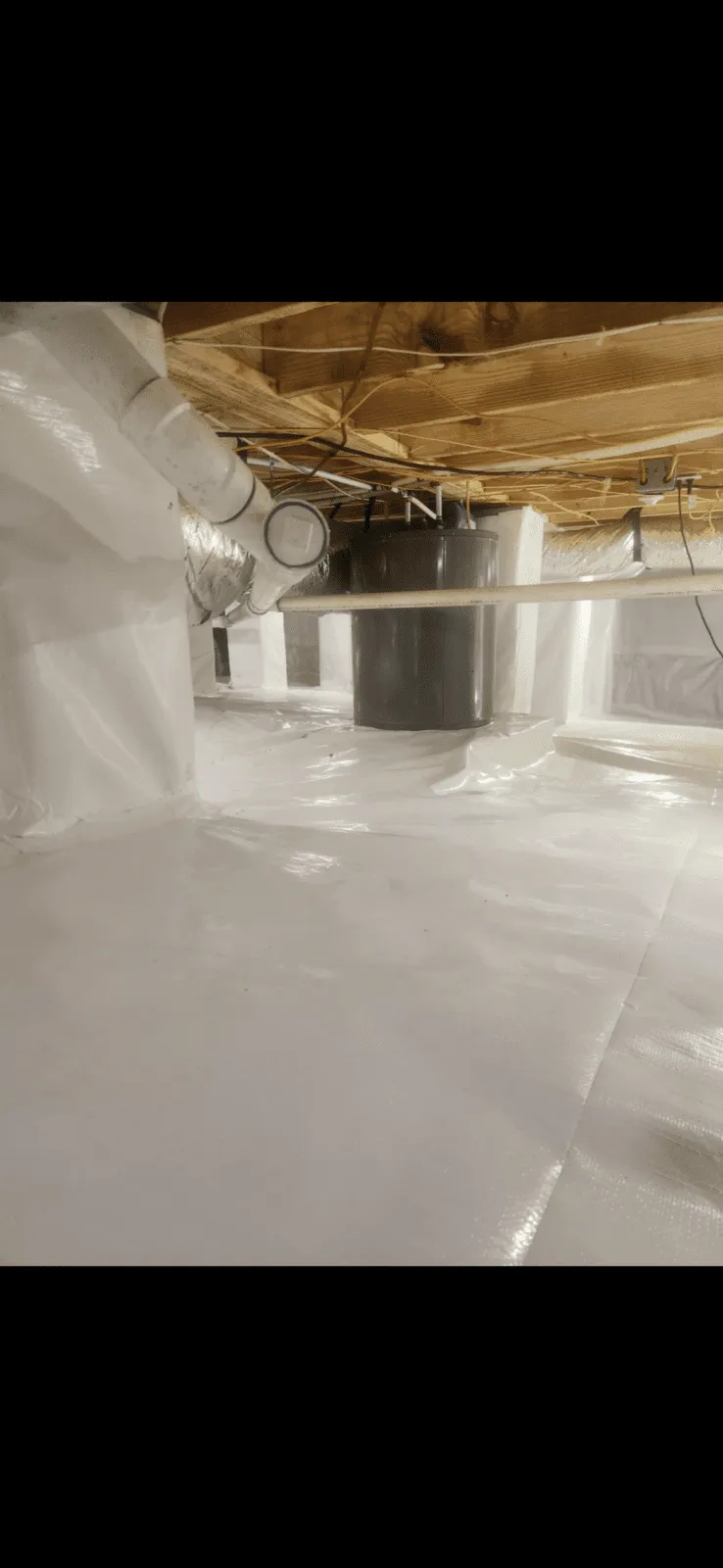
Are water leaks and mold threatening your commercial property in Suffolk or Franklin?
Moisture issues often start small but can quickly escalate into costly structural problems if they are not addressed early. This post explains drainage system solutions, waterproofing membrane options, and crawl space waterproofing methods designed to protect commercial structures from long-term damage. Understanding how water interacts with your building allows you to take proactive steps that preserve both safety and value.
By focusing on proven waterproofing strategies and proper moisture control, property owners can avoid unexpected repairs, maintain healthier indoor environments, and extend the lifespan of their buildings. Whether you manage a retail space, office building, or multi-unit property, investing in prevention is far more cost-effective than dealing with major restoration later.
Commercial buildings in Suffolk and Franklin face continuous exposure to environmental moisture from rain, humidity, and groundwater. These elements can affect foundations, roofing systems, masonry, and exterior cladding. When moisture infiltrates these areas, it gradually weakens structural materials, leading to cracks, deterioration, and compromised building performance.
Water intrusion is particularly damaging because it often goes unnoticed until visible signs appear, such as staining, mold growth, or material breakdown. By that point, repairs can become extensive and expensive. This is why implementing waterproofing systems early is critical to maintaining long-term structural integrity.
Modern waterproofing solutions include foundation drainage systems, liquid-applied coatings, rubber membranes, and bituminous barriers that prevent water from entering vulnerable areas like basements and crawl spaces. Roofing systems are also reinforced with durable materials designed to withstand prolonged exposure to weather conditions. These approaches are commonly used across office buildings, healthcare facilities, retail centers, educational institutions, and industrial properties. Structural evaluations may involve engineers and consultants who assess damage and recommend solutions such as concrete repair or façade restoration. Advanced materials like polyurethane coatings, cementitious sealants, and air barriers are frequently applied to improve durability and maintain structural performance.
Proper waterproofing does more than protect the physical structure. It also supports occupant safety by reducing mold growth, improving indoor air quality, and minimizing health risks. In addition, it helps control maintenance costs by preventing recurring issues that can disrupt operations and require ongoing repairs.
Waterproofing services in Suffolk and Franklin are designed to provide both immediate protection and long-term performance. These services typically combine structural repair, moisture control systems, and protective coatings to create a complete defense against water intrusion. By addressing both visible damage and hidden vulnerabilities, property owners can significantly reduce the risk of future issues.
Foundation protection is one of the most critical components of any waterproofing plan. Water that seeps into the foundation can weaken the entire structure, making early intervention essential. Barrier systems such as fluid-applied membranes create a protective layer that prevents moisture penetration, while proper grading and drainage ensure that water is directed away from the building.
In addition to foundation work, waterproofing services often extend to exterior surfaces, joints, and roofing systems. Sealing these areas helps prevent leaks and reduces the likelihood of water entering through small openings that can expand over time. By combining multiple layers of protection, these systems create a more resilient structure capable of withstanding changing weather conditions.
Long-term success also depends on proper installation and attention to detail. Even the most advanced materials can fail if they are not applied correctly. This is why thorough planning, accurate assessments, and consistent quality control are essential throughout the waterproofing process.
Selecting the right contractor is a crucial part of any successful waterproofing project. A qualified contractor brings the expertise needed to identify problem areas, recommend appropriate solutions, and execute the work with precision and consistency. Making an informed choice can significantly impact the effectiveness and longevity of the waterproofing system.
Property owners should begin by confirming that contractors meet all licensing and insurance requirements. This ensures compliance with local regulations and provides protection in case of unexpected issues. Experience with commercial properties is equally important, as it demonstrates the ability to handle complex structures and large-scale projects.
Reviewing past work and requesting references can provide valuable insight into the contractor’s reliability and quality of service. Comparing multiple bids allows property owners to evaluate pricing, scope, and timelines, helping them choose the option that offers the best overall value. Clear communication throughout the process is essential, as it ensures that expectations are aligned and potential challenges are addressed early.
It is also important to carefully review contract terms, including warranties and maintenance agreements. A strong warranty indicates confidence in the quality of the work and provides added assurance that the investment will deliver long-term results.
Maintaining waterproofing systems requires ongoing attention and a proactive approach. Regular inspections are one of the most effective ways to identify potential issues before they develop into major problems. Checking for cracks, gaps, or signs of wear on the building exterior can help catch early warning signs and prevent costly repairs.
Using high-quality sealing materials is another important factor in preserving waterproofing performance. Durable sealants are designed to withstand environmental stress and maintain their effectiveness over time. When combined with proper installation, these materials provide a strong barrier against water intrusion.
Drainage management also plays a critical role in long-term protection. Ensuring that gutters and downspouts are functioning properly helps direct water away from the foundation, reducing the risk of flooding and structural damage. Maintaining proper grading around the building further supports effective water flow.
Controlling indoor humidity is especially important in areas like crawl spaces and basements. Dehumidifiers and ventilation systems help regulate moisture levels, preventing mold growth and maintaining a healthier indoor environment. Scheduling maintenance checks after severe weather events allows property owners to address any damage quickly before it worsens.
Customizing waterproofing strategies to fit the specific needs of each property enhances overall effectiveness. Every building has unique characteristics, and tailored solutions provide better results than one-size-fits-all approaches. Educating staff or property managers on maintenance practices also ensures that these systems continue to perform as intended over time.
Commercial waterproofing and moisture control are essential for protecting properties in Suffolk and Franklin. These systems help prevent structural damage, reduce maintenance costs, and create safer indoor environments for occupants. By investing in high-quality waterproofing solutions and maintaining them properly, property owners can extend the lifespan of their buildings and preserve long-term value.
Taking a proactive approach to moisture control allows you to address potential issues before they escalate. With the right combination of materials, planning, and professional expertise, you can safeguard your property against the challenges posed by water intrusion and environmental exposure.
Business Name:
Capps Crawlspace and Construction, LLC
Address:
1953 River Rd Unit C, Henrico, NC 27842
Phone:
434-594-1219 (VA)
252-308-2231 (NC)
Business Hours:
Monday-Sunday: 8:00 AM- 8:00 PM
