
Are you seeing damp floors, high humidity, or mold under your house and wondering which fix will work best? You might be deciding between crawl space encapsulation, a vapor barrier, or drainage. We have dealt with these issues extensively and studied the solutions to provide you with the best guidance.
When your crawl space relative humidity stays at fifty percent or below, a simple vapor barrier often does the job. However, when the humidity hits seventy percent or more, you will want a vapor barrier paired with a dehumidifier.
This post compares crawl space encapsulation, vapor barriers, and drainage systems. We also cover sump pumps, dehumidifiers, foundation seals, and HVAC duct insulation so you can pick the right fix. Read on to find the best waterproofing method for your home.
To encapsulate your crawl space, we cover the entire area, including floors and walls, with a heavy-duty vapor material that runs twelve to twenty millimeters thick. We also seal vents, install a sump pump and a dehumidifier, and insulate ducts to stop condensation.
During the process, we clear out debris and damaged insulation before installing interior drainage and a sump pump. Next, we lay polyethylene vapor material on the floors and walls. We make sure to seal pipes, ducts, and cables, and we often modify your HVAC system for better air circulation.
Encapsulation turns a damp crawl area into a dry, controlled space. We install high-quality sheeting and pair it with reliable dehumidifiers for superior moisture control. We also link your encapsulation to crawl space drainage systems and sump pumps for solid water handling. Installation typically takes three to five days.
By choosing encapsulation, we help you cut mold growth, raise indoor air quality, and improve your crawl space insulation. This method also boosts energy efficiency by more than fifteen percent, resists pests, and creates useful storage space under your home.
A vapor barrier is a thick plastic sheet we lay over the dirt floor of a crawl space. It usually measures six or nine millimeters in thickness. To ensure a tight seal, we tape all the seams and run the material up the foundation walls a few feet. We typically use a sheet with a reflective surface to provide better visibility for future pest checks.
This layer successfully blocks ground moisture, but it does not stop pooling water from leaks. Homeowners often notice fewer damp smells after the installation is complete. We have noted that vapor barriers can lower energy bills and cut indoor humidity when the relative humidity sits at fifty percent or below. Installation is quick and takes less than a day in most cases.
We stress that this method is a less immersive process than full encapsulation or spray foam insulation work. The barrier will not handle condensation or broken pipes, nor will it replace a dedicated drainage system. We use professional tapes, foam, and adhesives to ensure the best results when advising our clients. If you are looking for the best waterproofing method in your region, you should weigh this option against drainage, ventilation controls, and insulation choices.
Crawl space drainage systems manage and redirect water away from your home. They prevent flooding and tackle persistent moisture issues effectively. Installing an internal drainage system or a sump pump helps remove excess water quickly, and these key components work together to keep your crawl space completely dry.
In areas prone to flooding, effective drainage becomes essential for moisture control. The right setup can include French drains and moisture sensors. Each element plays a vital part in stopping water intrusion, wood rot, and structural damage.
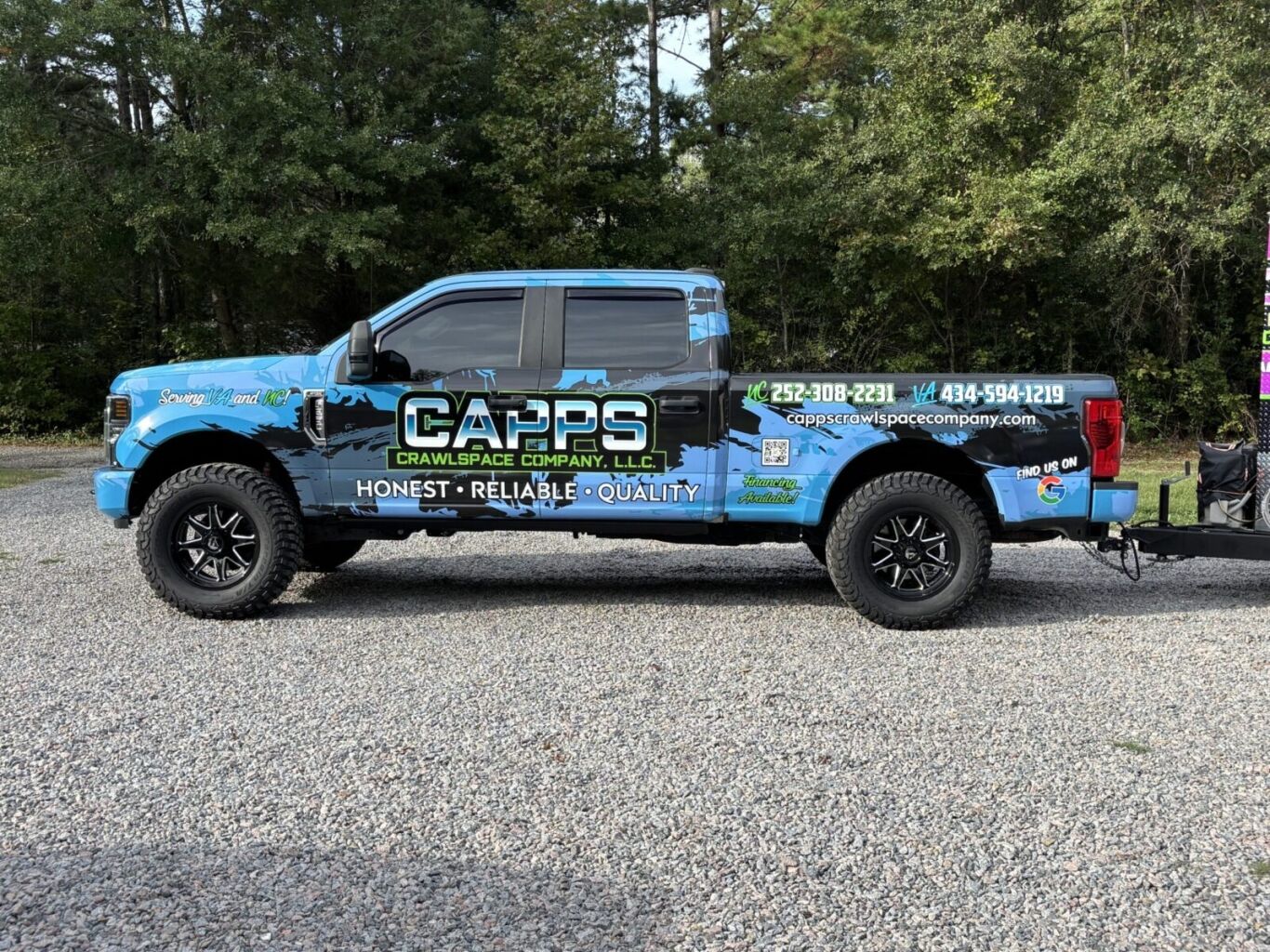
At Capps Crawlspace and Construction, LLC, we often integrate these systems into full encapsulation projects for lasting protection against harsh conditions.
Crawl space encapsulation and vapor barriers both protect your home from moisture. While encapsulation seals off the crawl space completely, vapor barriers cover dirt floors to reduce humidity.
Crawl space encapsulation and vapor barriers both protect your home from moisture. While encapsulation seals off the crawl space completely, vapor barriers simply cover dirt floors to reduce humidity. We stop moisture before it starts by using the right approach for your home.
When it comes to the scope of protection, encapsulation creates a closed environment by sealing walls, floors, and vents to block all ground and wall moisture. We add vapor barrier liners to all surfaces for full coverage. A standard vapor barrier, however, only covers the ground with a sheet liner, leaving walls and vents exposed to condensation and leaks. It relies solely on the ground cover to slow vapor rising from the soil.
For humidity control, encapsulation lowers relative humidity from high levels down to under fifty percent in many homes. We pair vent sealing with dehumidifiers and monitor everything with moisture meters to keep levels stable. A vapor barrier only keeps humidity low if ambient levels are already at or below fifty percent. It will fail if humidity climbs above seventy percent, and we do not always add a dehumidifier with this more basic approach.
Handling condensation and leaks is another major difference. With encapsulation, we block condensation on walls and under joists by sealing surfaces, reducing mold risk from multiple moisture sources. We include vent sealing to cut the airflow that brings moist air in. Vapor barriers do not stop wall condensation or water from leaking pipes. Standing liners can sometimes mask problems while moisture attacks structures, so we recommend extra measures if pipes or walls drip.
Regarding mold and pests, encapsulation prevents mold more reliably in high-humidity or flood-prone zones. It deters pests and wood rot by keeping wood dry, improving your home’s energy efficiency by stabilizing the crawl space air. A vapor barrier may slow mold from soil vapor but not from other wet spots. Pest pressure can continue if vents and walls stay damp, and energy loss persists without full sealing.
The systems and tools used vary as well. Encapsulation requires heavy-duty liners, seam tape, foam sealants, mechanical ventilation, and dehumidifiers, verified by moisture meters. For a vapor barrier, we install polyethylene sheets and tape over the soil, relying mostly on passive material with only occasional monitoring.
We pick encapsulation in humid regions, flood zones, or for homes needing long-term mold prevention, pest deterrence, and energy fixes. We select a simple vapor barrier in dry climates where leaks are rare and relative humidity stays under fifty percent, though we always warn owners that humidity spikes will cause this method to fail.
We also see major installation differences between encapsulation, vapor barriers, and drainage systems. Full encapsulation takes three to five days to complete. During this time, we remove debris, fit drainage, install a submersible pump, apply heavy twelve to twenty-millimeter liners to floors and walls, and seal vents, pipes, ducts, and cables. This method requires a high level of labor due to multiple trades, and we often need to make HVAC modifications to manage conditioned air. We also plan for regular dehumidifier upkeep and routine checks of seals and pumps.
Vapor barrier installation is much faster, usually finishing in a single day. The process is less labor-intensive and more straightforward. We simply cover the dirt floor, extend standard six to nine-millimeter sheets up the walls, and wrap columns. We use basic sheets, tape, and hand tools without needing HVAC changes or formal post-installation inspections. Maintenance usually only requires occasional visual checks.
Drainage systems often take one to three days, depending on access. This requires heavy physical labor, including excavation and plumbing tasks. We use excavators, gravel, and perforated pipe to dig a perimeter channel, which connects to a sump basin and pump. Ductwork is left alone unless water intrusion forces rerouting. We typically require a licensed sign-off for electrical and plumbing connections. For upkeep, we plan for regular pump service and the clearing of inlet screens.
Crawl space encapsulation keeps moisture at bay. It creates a dry, clean area that protects your home from water damage. On the other hand, drainage systems manage water effectively. They direct excess water away and lessen the risk of flooding in vulnerable spaces.
The effectiveness of water management depends on the system you choose. Encapsulation controls standing water, humidity, and airborne moisture by using a heavy vapor membrane, a dehumidifier, and a sump system. It is best for homes with high humidity and recurring mold risks, as it prevents condensation and improves indoor air quality.
A vapor barrier strictly controls ground moisture and direct vapor transmission. It works best for dry sites with minimal flooding risk by reducing ground vapor, though it cannot move standing water or control airborne humidity.
Drainage systems control water intrusion and flooding by pumping water out to a safe discharge point. They are critical in flood zones or homes with high water tables. They are excellent at moving bulk water but do not control humidity or airborne moisture on their own.
For the most complete water management, we recommend a combined approach. By pairing a sealed membrane and dehumidifier with an interior drainage system, we can handle standing water and internal moisture simultaneously. This combination delivers the best long-term protection, flood control, and improved indoor air quality.
Vapor barriers trap moisture, keeping it away from your crawl space. Drainage systems, on the other hand, focus on channeling water out of that same area. Let’s explore how these options stack up against each other.
These two systems serve completely different purposes. We know that vapor barriers block ground moisture, but they cannot keep water from pooling in the crawl space. Without a solid seal, these barriers may let moisture seep in through seams or edges. In contrast, drainage systems actively redirect standing water away from your home, tackling wet conditions caused by heavy rain or high groundwater levels.
The effectiveness of each solution varies based on your specific situation. Vapor barriers work well in spaces with low humidity and minimal risk of flooding. For homes prone to flooding, a drainage system is crucial for proper water management. These two solutions complement each other beautifully. Combining them provides better protection against both moisture intrusion and standing water problems in vulnerable areas like ours.
Regular maintenance keeps your crawl space safe and dry. With vapor barrier systems, you can breathe easy because they usually need minimal upkeep. You just need to check for any punctures or damaged seams occasionally.
Drainage systems require more attention. You have to ensure sump pumps function properly, which means regular servicing is essential. This may involve cleaning the pumps and drains at least once a year. While vapor barriers require simple repairs like patching tears or retaping seams, drainage solutions come with added intricacies due to their mechanical parts and backup alarms that also need regular checking.
Choosing the right moisture management system for your crawl space is crucial. Crawl space encapsulation, vapor barriers, and drainage systems all play important roles in keeping your home dry. Each method has its unique advantages and downsides. You can save on energy usage with proper moisture control while boosting the air quality inside your home. Let’s tackle these challenges head-on and protect what matters most.
Business Name:
Capps Crawlspace and Construction, LLC
Address:
1953 River Rd Unit C, Henrico, NC 27842
Phone:
434-813-6624 (VA)
252-594-3655 (NC)
Business Hours:
Monday-Sunday: 8:00 AM- 8:00 PM
