
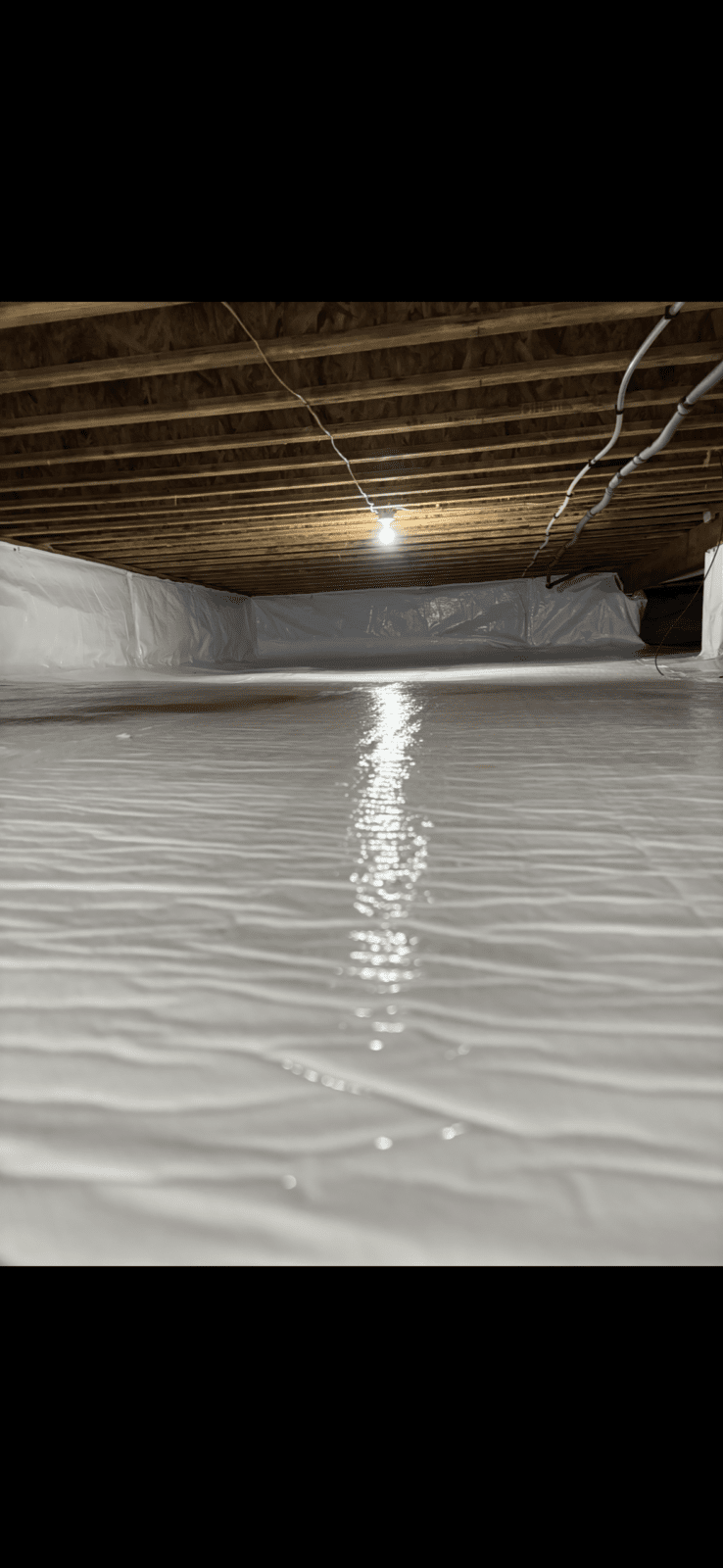
Crawl space waterproofing is a crucial home maintenance practice that can significantly reduce long-term costs for homeowners in Southside, VA and NC. By preventing moisture intrusion, this process not only protects the structural integrity of homes but also enhances energy efficiency. Many homeowners face challenges related to mold growth and increased energy bills due to damp crawl spaces. This article will explore the benefits of crawl space waterproofing, the costs involved, and the best solutions available. We will cover essential topics such as the impact of moisture on home value, the cost benefits of waterproofing, and how regional climate affects moisture control.
Crawl space waterproofing involves techniques and materials designed to prevent water from entering and accumulating in the crawl space of a home. Encapsulation, a key component of this process, includes sealing the crawl space with vapor barriers and insulation to create a dry environment. This method is essential for maintaining a healthy home, as it reduces the risk of mold growth and structural damage. Effective waterproofing not only protects the foundation but also contributes to overall energy efficiency by preventing heat loss. Extensive research supports the effectiveness of sealed crawl spaces in managing both moisture and energy performance.
Crawl space encapsulation works by creating a barrier that prevents moisture from entering the space. This is achieved through the installation of high-quality vapor barriers that cover the ground and walls of the crawl space. By sealing off the area, encapsulation significantly reduces humidity levels, which in turn minimizes the risk of mold growth. The materials used, such as polyethylene sheeting, are designed to withstand moisture and provide long-lasting protection against dampness. Studies conducted in the humid southeastern United States further confirm the superior performance of sealed crawl spaces in creating a drier environment.
Effective crawl space waterproofing employs various materials and methods that work together to create a comprehensive solution protecting homes from the damaging effects of moisture. These include vapor barriers, which are thick plastic sheets that cover the ground and walls to prevent moisture from seeping in; dehumidifiers, devices that remove excess moisture from the air to maintain optimal humidity levels; drainage systems such as French drains and sump pumps that redirect water away from the foundation; and sealants, which are waterproof coatings applied to walls and floors to block moisture penetration.
Moisture in crawl spaces can have a detrimental impact on home value and repair costs. When water accumulates, it can lead to mold growth, which not only poses health risks but also decreases the overall appeal of a property. Homebuyers are often wary of homes with moisture issues, leading to lower offers and extended time on the market. Additionally, the costs associated with repairing water damage and mold remediation can be substantial, often running into thousands of dollars.
Mold growth in crawl spaces can lead to serious health issues, including respiratory problems and allergic reactions. Furthermore, prolonged exposure to moisture can weaken the structural integrity of a home, leading to costly repairs. Homeowners should be aware that addressing mold and structural damage after it occurs is often more expensive than investing in preventative measures like waterproofing.
Moisture intrusion can significantly increase energy bills for homeowners in Southside, VA, and NC. When crawl spaces are damp, the overall humidity in the home rises, forcing heating and cooling systems to work harder to maintain comfortable temperatures. This increased workload translates to higher energy costs. By waterproofing crawl spaces, homeowners can reduce humidity levels, leading to lower energy consumption and cost savings.
Investing in crawl space waterproofing and encapsulation can yield substantial cost benefits over time. Homeowners can save on repair costs associated with mold and structural damage, as well as reduce their energy bills. The initial investment in waterproofing often pays for itself through these savings, making it a wise financial decision.
Waterproofing leads to energy savings by maintaining a stable environment in the crawl space, which helps regulate indoor temperatures. This stability reduces the strain on HVAC systems, leading to lower energy bills. Additionally, by preventing moisture-related damage, homeowners can avoid costly repairs, further enhancing the financial benefits of waterproofing.
The regional climate in Southside VA and NC plays a crucial role in moisture control within crawl spaces. High humidity levels and frequent rainfall can exacerbate moisture issues, making effective waterproofing even more essential. Homeowners must consider local climate conditions when selecting moisture control solutions to ensure long-term effectiveness.
Rising humidity levels can lead to increased moisture accumulation in crawl spaces, creating an ideal environment for mold growth and structural damage. Homeowners should monitor humidity levels and take proactive measures to mitigate moisture intrusion, especially during peak humidity seasons.
In Southside, VA, and NC, effective moisture control solutions are tailored to address the specific moisture challenges posed by the local climate. These include vapor barriers, which are essential for preventing moisture from entering the crawl space; dehumidifiers, which help maintain optimal humidity levels especially during humid months; and sump pumps, which are effective for redirecting water away from the foundation during heavy rainfall.
Choosing the right crawl space waterproofing solution involves considering several factors, including the specific moisture issues in your home, budget, and long-term goals. Homeowners should consult with professionals to assess their needs and determine the most effective approach.
Vapor barriers and dehumidification systems offer numerous benefits that make them essential components of a comprehensive waterproofing strategy. Vapor barriers effectively block moisture from entering the crawl space, while dehumidifiers maintain optimal humidity levels, reducing the risk of mold growth. Both solutions also contribute to lower energy bills by improving overall home efficiency.
Crawl space insulation plays a vital role in reducing costs and improving comfort. By insulating the crawl space, homeowners can reduce heat loss during the winter months and keep their homes cooler in the summer. This improved temperature regulation leads to lower energy costs and a more comfortable living environment.
The long-term advantages of mold prevention in crawl spaces include improved indoor air quality, enhanced home value, and reduced repair costs. Homeowners who prioritize waterproofing can enjoy a healthier living environment and protect their investment in their property.
Business Name:
Capps Crawlspace and Construction, LLC
Address:
1953 River Rd Unit C, Henrico, NC 27842
Phone:
434-594-1219 (VA)
252-308-2231 (NC)
Business Hours:
Monday-Sunday: 8:00 AM- 8:00 PM
