
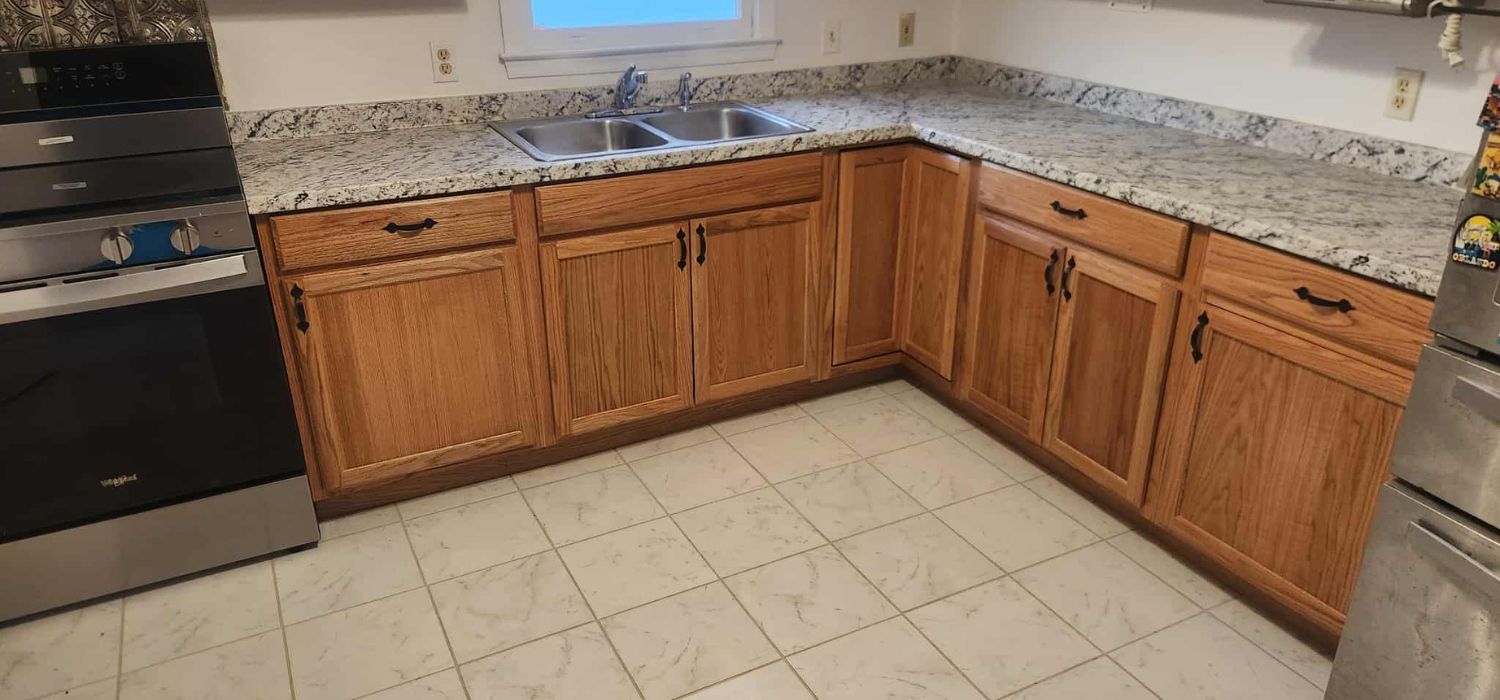
Choosing the perfect flooring for your Littleton, NC, home means finding that sweet spot between stunning looks, everyday durability, and robust protection against the area’s humid climate. This guide will walk you through which flooring systems truly excel in Littleton’s seasonal humidity, how crucial crawl space moisture control is for your floor’s longevity, and practical maintenance considerations every homeowner should know.
Littleton, NC, is known for its warm, humid summers and mild winters. While lovely, this climate can lead to high indoor humidity, creating perfect conditions for moisture to damage your floors. Moisture from the soil and your crawl space can seep into your subfloors, causing issues like cupping, buckling, edge lift, and even mold growth. Knowing how this happens is the first step to choosing the right, resilient flooring and protecting your home.
North Carolina’s humidity can be tough on your floors. Wood and composite materials constantly absorb and release moisture, leading to frustrating issues like cupping, gaps, and a worn-out finish. While engineered hardwood offers more stability than solid wood, it can still struggle if humidity levels aren’t managed. Laminate and solid wood are especially prone to “edge lift” when relative humidity swings exceed recommended ranges. Even tile and concrete, though more resistant, need proper grout, sealants, and substrate prep to prevent moisture-related mold and grout failure. If you’re seeing small gaps in winter or cupping in summer, it’s a clear sign to check your subfloors and crawl space because that’s where the problem often starts.
Think of a damp crawl space as a hidden enemy to your floors. It constantly pushes moisture up into your subfloor, leading to rot, mold, and adhesive failure, drastically shortening your flooring’s lifespan. Our solution? Crawl space encapsulation and dehumidification. These solutions can cut down crawl space relative humidity, stopping vapor transmission in its tracks and stabilizing your subfloor moisture content. This means your beautiful floors will face fewer dimensional stress cycles, reducing the risk of costly structural subfloor damage and the need for constant repairs or replacements.
Don’t let moisture damage sneak up on you. Keep an eye out for telltale visual and olfactory indicators like cupping, buckling, or that unmistakable, persistent musty odor. Discolored grout, uneven floor surfaces that indicate subfloor deterioration, recurring mold spots, or peeling paint are all red flags. If your indoor relative humidity readings are consistently above recommended thresholds, it’s often a clear indicator of deeper crawl space or foundation moisture problems.
For Littleton homes, the best waterproof and durable flooring choices are all about beating the humidity. Look for materials that offer superior water resistance, incredible dimensional stability, and easy maintenance, so your floors stay beautiful, no matter the weather. Our top picks include luxury vinyl plank (LVP), engineered hardwood, and ceramic/porcelain tile. These options perfectly blend resilience with stunning aesthetic variety and come with clear installation protocols designed to handle moisture.
LVP is truly a standout choice for North Carolina’s humid climate. Its waterproof cores and robust wear layers are built to resist both vapor intrusion and surface water, giving you peace of mind. Plus, with versatile installation methods like click-lock and glue-down, it’s a flexible solution. Every part of LVP, from its protective wear layer to its stable core and beautiful finish, works together to deliver amazing scratch resistance, dimensional stability, and super easy maintenance. That makes it perfect for high-moisture areas like kitchens, mudrooms, and basements, where moisture exposure is more likely.
Unlike engineered hardwood, LVP tolerates higher subfloor moisture and typically requires less acclimation time, resulting in faster, smoother installation and less worry about post-installation movement. If you’re looking for pet-friendly, low-maintenance surfaces that beautifully mimic wood or stone, LVP offers an unbeatable balance of durability and aesthetics.
Engineered hardwood is a smart choice for many homes, thanks to its clever layered construction. A stable plywood or high-density fiberboard (HDF) core supports a real wood veneer, providing much better resistance to seasonal humidity fluctuations than traditional solid hardwood. This cross-laminated design reduces hygroscopic movement and allows installation in locations with moderate moisture variation. However, it still requires subfloor preparation, acclimation, and humidity control to prevent finish issues.
Solid hardwood offers unmatched refinishing potential and traditional aesthetics, but is best used above grade in tightly controlled environments where encapsulation and dehumidification help maintain stability. If you love the look of real wood and want future refinishing options, consider engineered hardwood, especially when humidity is a concern, and always pair it with robust moisture mitigation measures.
Ceramic and porcelain tile are champions when it comes to moisture. These materials create impervious surfaces that naturally resist water intrusion and stains, making them absolutely perfect for bathrooms, laundry rooms, and entryways prone to humidity and spills. To ensure your tile lasts for decades, correct substrate preparation, smart grout selection, and effective sealing strategies are crucial. We always recommend using cementitious backer boards and waterproof membranes to stop vapor from creeping under your tiles and compromising adhesives. Porcelain, in particular, boasts higher density and lower water absorption than ceramic, offering superior freeze-thaw and moisture performance where needed, while slip-resistant finishes add an extra layer of safety in wet areas. If you’re looking for durable, low-maintenance hard-surface flooring, tile offers incredible moisture resistance and design flexibility when installed according to manufacturer specifications.
Laminate flooring is a fantastic budget-friendly choice, offering beautiful hardwood looks with a tough wear layer, decorative design, and a sturdy fiberboard core. It’s known for its scratch resistance and easy cleaning. While traditional laminate isn’t as water-resistant as LVP, newer water-resistant laminates, combined with careful underlayment, can make it suitable for more areas of your home. Just remember, laminate’s core material swells when exposed to standing water, so preventive measures—quick spill response, proper transitions at wet zones, and thorough subfloor preparation—are essential to prevent edge lift and delamination. If you’re working with a modest budget but still crave that wood-like aesthetic, consider water-resistant laminates and always pair them with effective moisture-control measures to improve longevity.
Epoxy and polished concrete are powerhouse flooring options, especially when impermeability and extreme durability are your top priorities. They’re perfect for garages, basements, and modern industrial-style living spaces. However, it’s absolutely critical to assess substrate moisture before installation.
Before application, thorough substrate moisture testing and vapor barrier installation mitigate vapor drive that can cause coating failure. Mechanical preparation of concrete also improves adhesion and long-term performance. Epoxy delivers a seamless, low-maintenance surface that shrugs off chemicals and abrasion, while polished concrete offers an economical, long-lasting finish with various aggregate and staining options for aesthetics. These floors are ideal for areas where hard-wearing surfaces and ultimate protection outweigh the desire for softer underfoot comfort.
Crawl space encapsulation is your home’s ultimate defense against moisture. This comprehensive moisture-control system seals your crawl area with a continuous vapor barrier, closes foundation vents, and often includes a dehumidifier to drastically reduce relative humidity. The result? Your floors above are protected from damaging vapor migration and subfloor rot.
This solution effectively reduces vapor transmission and stack-effect moisture movement, which would otherwise raise subfloor moisture content and trigger flooring failures. The specific benefit is a stabilized subfloor moisture level that preserves your installed flooring and adhesives. By choosing encapsulation, you’ll significantly reduce mold risk, boost your indoor air quality, and extend the useful life of your beautiful finish flooring. It’s a smart, preventative investment.
Today’s flooring trends are all about combining stunning wide-plank aesthetics, creative mixed-material installations, and a growing demand for sustainable materials like reclaimed wood, bamboo, and cork. Homeowners are looking for both incredible style and strong environmental credentials. However, these trends must always be balanced with North Carolina’s humidity realities: many sustainable materials require careful moisture mitigation and specific installation methods to truly perform well in Littleton’s climate.
Wide-plank hardwood and reclaimed materials are incredibly popular, and for good reason. Homeowners are attracted to their stunning visual impact, perceived premium value, and ability to create a sense of space. Sustainability claims for reclaimed wood and responsibly sourced products add powerful environmental appeal. But here’s the crucial part: these beautiful aesthetic drivers must always be balanced with the reality of moisture. Many sustainable materials demand careful moisture mitigation and specific installation methods to perform well in Littleton’s climate. While design trends favor these materials for living spaces where humidity can be actively managed through HVAC and encapsulation, remember that alternative materials such as LVP can beautifully replicate wide-plank looks with significantly lower moisture risk.
Eco-friendly options like strand-woven bamboo and cork can offer good hardness and sustainability benefits, but their performance in humid climates depends on product construction and installation methods. Engineered bamboo and cork with stable cores perform better than solid formats. Proper acclimation, robust moisture barriers, and crawl space encapsulation are often prerequisites for long-term success, and some sustainable materials still require more careful humidity control than truly waterproof alternatives like LVP or tile. If you’re considering green materials, verify the humidity tolerances and, for lasting peace of mind, pair your selections with encapsulation or active dehumidification solutions to ensure longevity.
Maintenance practices tailored to Littleton’s humidity extend flooring life by minimizing moisture exposure and stabilizing indoor conditions that influence material performance. Routine cleaning, quick spill response, monitoring indoor relative humidity, and periodic crawl space inspections are central to preserving finish floors and avoiding adhesive or finish failures.
For LVP, maintain a regular cleaning routine with pH-neutral cleaners, avoid excessive water during mopping, and promptly dry spills to prevent edge ingress. LVP requires minimal sanding or refinishing, so surface care preserves the wear layer. For hardwood, maintain indoor relative humidity within the manufacturer-recommended range (commonly 35%–55% percent) to reduce expansion and contraction cycles, use felt pads under furniture, and refinish surfaces when wear indicates the need to protect the wood. Both materials benefit from area rugs in high-traffic zones and consistent HVAC or dehumidifier use during humid months to stabilize conditions. Prompt attention to any water events and routine monitoring reduces cumulative moisture exposure and prevents accelerated deterioration.
Proper ventilation, HVAC control, and crawl space dehumidification maintain a steady indoor relative humidity, preventing repeated expansion and contraction of hygroscopic flooring materials and reducing mechanical stress and adhesive failures. Targeting a stable relative humidity range and using dehumidifiers in basements or encapsulated crawl spaces interrupts the moisture cycles that drive mold growth and structural weakening of subfloors.
A simple maintenance checklist includes periodic relative humidity logging, seasonal HVAC checks, crawl space visual inspections, and prompt repairs for plumbing leaks or drainage issues. Ongoing moisture control preserves indoor air quality and protects flooring investments from avoidable moisture damage.
Choosing the perfect flooring for your Littleton, NC, home is a big decision—one that can dramatically enhance its beauty, durability, and resistance to moisture damage. By understanding humidity’s impact and selecting smart materials like luxury vinyl plank, engineered hardwood, or tile, you can ensure long-lasting performance and aesthetic appeal. But why wait for moisture issues to appear? Take a proactive step toward a healthier, more resilient home by scheduling your free estimate with Capps Crawlspace and Construction, LLC today. Let us help you protect your investment and enjoy a beautiful, worry-free home for years to come.
Business Name:
Capps Crawlspace and Construction, LLC
Address:
1953 River Rd Unit C, Henrico, NC 27842
Phone:
434-594-1219 (VA)
252-308-2231 (NC)
Business Hours:
Monday-Sunday: 8:00 AM- 8:00 PM
