
Basement waterproofing is the set of methods and systems used to prevent water intrusion into below-grade spaces, protecting structural elements and indoor air quality by managing groundwater and surface runoff. This article explains the principal mechanisms—drainage, barriers, and active removal—so homeowners understand how interior drainage systems, exterior membranes, crack repair, and humidity control work together to keep basements dry. Readers will learn the risks of unmanaged moisture, detailed descriptions of interior and exterior waterproofing techniques, how crack repair and sealants fit into a comprehensive strategy, and best practices for moisture control including dehumidification. The guide also walks through decision criteria for choosing a method based on water source, soil type, and the finished condition of a basement, and it explains what a professional assessment typically includes.
Basement waterproofing prevents water intrusion that causes structural damage, indoor air quality decline, and financial loss by redirecting or removing water before it contacts foundation materials. By reducing hydrostatic pressure against foundation walls and preventing recurring dampness, waterproofing methods protect concrete, wood framing, and finished interiors from deterioration and mold growth. Even intermittent moisture increases the risk of mold colonization and efflorescence, which undermines finishes and increases remediation costs. Understanding these risks helps homeowners prioritize prevention over repeated repairs and informs selection of targeted waterproofing techniques.
This section highlights the most direct risks water poses so you can quickly assess urgency and choose appropriate remedies. The next subsections break those risks into specific structural and health impacts, then explain how common waterproofing measures address each problem.
Moisture that repeatedly contacts foundation walls and floors accelerates several failure modes, including efflorescence, spalling, and freeze-thaw damage, all of which weaken the concrete surface and can lead to larger cracks. Persistent dampness fuels mold and mildew that lower indoor air quality and create health complaints such as respiratory irritation and allergic reactions among occupants. Hydrostatic pressure from saturated surrounding soils can shift footings and cause settlement or bowed walls, creating expensive structural repairs. Electrical hazards increase when moisture contacts wiring or appliances in basements, and recurring water events reduce property value and increase insurance costs. Recognizing these risks early guides homeowners toward drainage-focused solutions that lower long-term repair bills and protect occupant health.
Waterproofing techniques prevent mold and structural damage by addressing the three sources that enable deterioration: water entry, elevated humidity, and hydrostatic pressure. Interior drainage and sump systems remove water after it enters, lowering the conditions required for mold growth; exterior membranes and proper grading prevent water from reaching foundation materials in the first place. Vapor barriers and dehumidifiers control internal humidity levels to keep relative humidity below mold-favorable thresholds, while crack repair and injection methods stop active leaks at their source. Combining methods—drainage to reduce pressure plus barriers to block seepage and dehumidification to manage air moisture—produces the most reliable, long-term protection against both biological and structural damage.
Interior basement waterproofing focuses on managing water that reaches the inside of the foundation by channeling it into drainage and removal systems, and by sealing minor penetrations and vapor transfer pathways. Interior strategies include sub-floor French drains or perimeter drain tiles routed to a sump basin, sump pump systems that actively remove collected water, wall sealants for minor seepage, and interior vapor barriers or coatings that reduce diffusion and humidity. These methods are particularly useful when exterior excavation is impractical or when the basement is finished and homeowners prefer minimal disruption. For long-term reliability, professional installation ensures correct slope, pipe placement, and sump sizing, so consider requesting a professional assessment and free estimate when planning these systems.
Interior waterproofing methods, ranked by typical use and impact, include interior drainage to a sump, which channels groundwater to a collection point where it can be pumped away; sump pump systems that actively remove water from the sump basin and discharge it away from the foundation; wall sealants and coatings that provide short-term protection for minor seepage and damp patches; and vapor barriers and dehumidification to control moisture vapor and lower relative humidity to inhibit mold. This ranking clarifies priorities for most basements; the following section compares the core drainage components so you can see how they interact.
Interior drainage systems work by intercepting groundwater that migrates along the footing and providing a low-resistance pathway into a perforated pipe, which routes the flow to a sump basin or existing storm outlet. Installation requires a narrow channeling trench along the interior perimeter, placement of filter fabric and gravel to prevent clogging, and correct pitch of the drain tile toward the sump. These systems relieve hydrostatic pressure by preventing water from pressing directly on walls and floors, reducing the driving force that causes seepage and cracks. Regular maintenance includes flushing discharge lines and checking gravel/filter condition to keep flow unobstructed, and these systems often pair with wall board solutions that direct seepage to the drain for efficient collection.
This description sets the stage for the next subsection, which explains how sump pump selection and backup options affect system reliability.
A sump pump system actively removes water collected by interior drains and prevents the sump basin from overflowing by pumping water to an exterior safe discharge location. Submersible pumps sit inside the basin and are quieter and less obtrusive, while pedestal pumps have the motor above the basin and are easier to service; both use float switches to activate. Backup options—battery or water-powered backups—protect against power loss during storms; professionals often recommend dual-pump or backup configurations for high-risk properties. Routine maintenance includes testing the float switch, verifying discharge line flow, and cleaning the basin; professional installation reduces the chance of mis-slope, undersized discharge piping, or improper float clearance that could cause failures.
Exterior waterproofing methods prevent water from ever contacting the foundation wall by addressing sources at the outside surface through membranes, exterior French drains, and grading or surface-water diversion. Exterior membranes—bituminous coatings, synthetic sheets, or crystalline systems—create a durable barrier on the foundation exterior and are most effective when paired with proper excavation and backfill techniques. Exterior French drains intercept water before it reaches the wall and route it to a safe outlet, while yard grading ensures surface water flows away from the building footprint. Exterior approaches are often the most permanent solution because they reduce hydrostatic pressure at the source, though they require excavation and higher upfront cost compared to interior-only fixes.
Applying exterior waterproofing membranes begins with excavation to the footing, then thorough surface preparation to remove loose material and residues that would prevent adhesion. Selection of membrane type depends on soil chemistry, expected water load, and budget: bituminous membranes offer proven performance in many soils, while synthetic sheets or crystalline coatings provide alternative barrier characteristics. A drainage board or protection layer is often installed over the membrane to prevent damage during backfill and to create a path for water to flow down to an exterior French drain or weeping tile. Proper backfill and compaction complete the installation and ensure grade stability; soils with poor drainage may require additional measures like geotextile separation or specialized drainage aggregates.
Exterior French drains remove groundwater before it builds hydrostatic pressure against the foundation by intercepting flows in a gravel-filled trench and routing them to an outlet, reducing the long-term load on foundation walls. Proper yard grading prevents surface water from collecting near the foundation by establishing positive slopes away from the house and by integrating swales or downspout extensions to manage concentrated flows. Benefits include lower foundation stress, reduced interior waterproofing burden, and fewer recurring maintenance issues; while initial cost can be higher due to excavation, the long-term savings from avoided structural repairs and mold remediation often justifies the investment. A before/after assessment of grade and drainage typically shows reduced basement dampness within the first wet season after correction.
Homeowners should weigh disruption and cost against longevity; for many, a combined exterior membrane plus drain tile routed to a sump pump provides durable protection, which leads into methods for repairing active cracks that bypass these systems.
Crack repair and sealants target specific failure points in foundations where water enters and structural integrity may be compromised, using techniques from surface sealants to injection repairs that restore continuity and block active leaks. Addressing cracks promptly prevents small seepages from becoming larger structural issues and reduces the need for repeated interior cleanup or dehumidification. Choosing the right repair method depends on whether a crack is structural or non-structural and whether water is actively flowing; correct selection improves the performance of broader waterproofing systems by eliminating localized entry points. The next section compares common repair approaches so you can match method to crack type with realistic outcome expectations.
Foundation crack repair techniques vary from non-invasive surface treatments to invasive injection methods; the appropriate choice depends on crack width, movement, and moisture presence. For structural cracks that show movement or significant width, epoxy injections can bond the sides and restore load-carrying continuity, while polyurethane injections are preferred for cracks actively leaking because the expanding material seals water paths. For minor hairline cracks or superficial efflorescence, surface routing and sealing or elastomeric coatings can reduce seepage temporarily and improve interior aesthetics. Indicators for professional referral include visible wall bowing, sudden widening of cracks, or recurring leaks after prior repairs; professionals can evaluate whether underpinning, wall anchors, or other structural repairs are necessary.
Wall sealants are appropriate for minor seepage and as part of an integrated moisture-control plan where active hydrostatic pressure is low, offering a cost-effective barrier that can be reapplied during maintenance cycles. Epoxy injections are indicated when cracks are structural or when restoring the strength of a cracked foundation is necessary; they are not the best choice for active leaks because rigid epoxy does not accommodate water movement. Polyurethane injections should be used for active water intrusion because they expand and form flexible, water-resistant plugs in flowing cracks. Homeowners should monitor repairs: if seepage returns after sealant application or if wall movement is observed, a professional assessment is needed to pinpoint underlying causes and upgrade the repair approach.
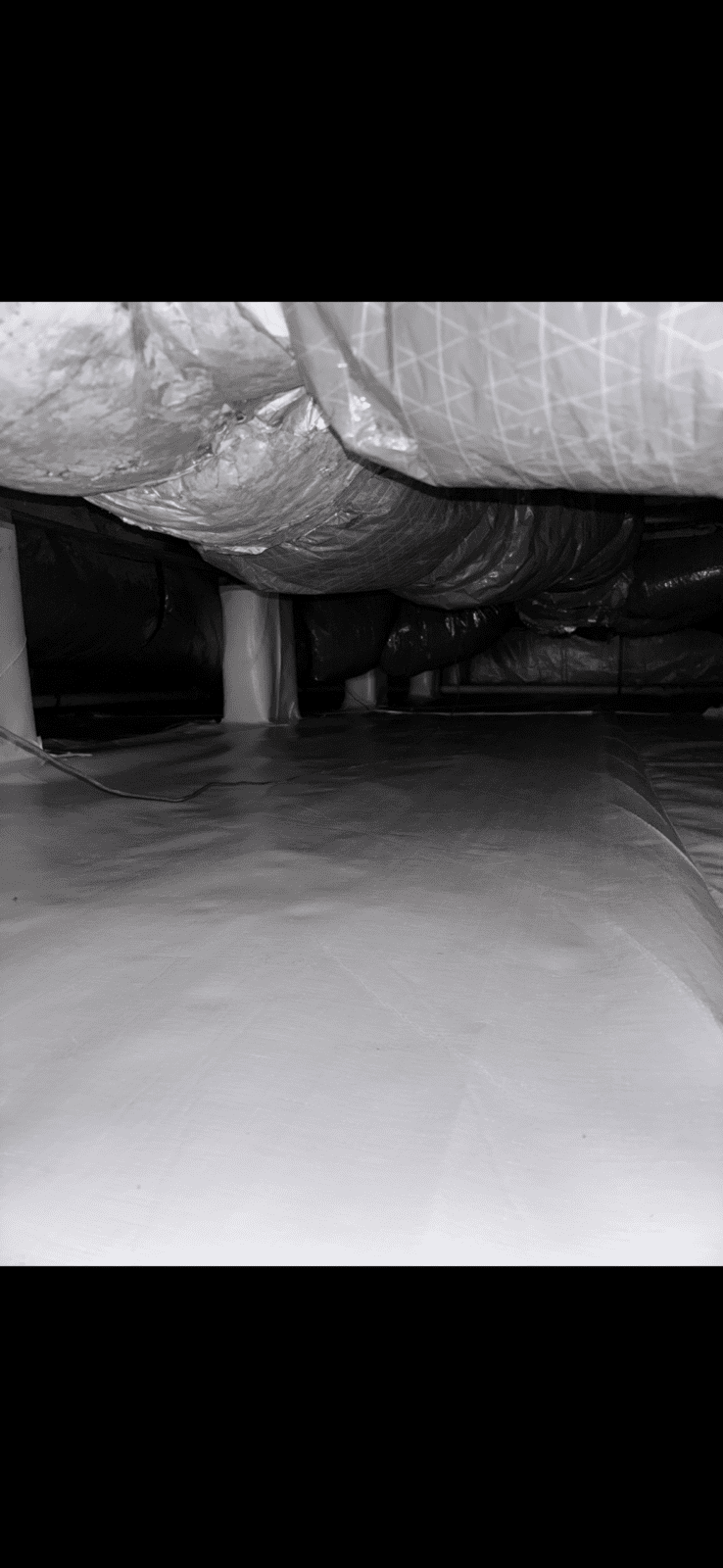
Effective moisture control pairs vapor barriers, proper drainage, and active dehumidification to maintain interior relative humidity within ranges that prevent mold and material deterioration. Best practices include maintaining relative humidity between 30–50% to limit mold growth and material degradation, using vapor barriers on floors and conditioned walls to block vapor diffusion from cold surfaces, installing a correctly-sized dehumidifier set to an automatic humidity controller, and ensuring drainage systems and pumps are functioning so dehumidifiers don’t have to handle bulk water. Vapor barriers—heavy polyethylene sheets or specialized insulation products—reduce vapor diffusion through walls and floors and are most effective when installed on conditioned side surfaces in finished basements. Dehumidifiers remove airborne moisture; whole-basement units sized to basement volume and moisture load. Together, these measures stabilize indoor humidity, protect finishes, and reduce reliance on reactive cleanup after wet events, making them essential parts of a comprehensive waterproofing strategy.
Vapor barriers reduce moisture transmission from soil and cold concrete into conditioned spaces by creating an impermeable layer that limits diffusion, while dehumidifiers actively remove water vapor from the air to maintain target relative humidity. Proper placement of a dehumidifier—centralized for whole-basement coverage or ducted for even distribution—improves system efficiency, and sizing should match the basement’s cubic footage and anticipated moisture load; pairing a vapor barrier on floors and lower walls with a correctly-sized unit keeps relative humidity in the recommended 30–50% range. Monitoring with a hygrometer and maintaining dehumidifier filters and condensate lines are essential maintenance tasks to ensure long-term performance.
This operational integration highlights why humidity control is indispensable for preserving waterproofing investments and preventing mold.
Controlling humidity prevents the subtle, chronic effects of moisture that degrade materials over time—wood rot, adhesive failure, and corrosion—that are not always visible after a single wet event but accumulate to reduce the service life of finishes and stored items. Mold spores require elevated moisture to colonize; even small reductions in relative humidity dramatically slow mold growth rates and lower allergen production. If humidity is allowed to remain high, waterproofing systems can be undermined as vapor diffusion and condensation create new moist surfaces despite effective drainage. Regular monitoring and a maintenance cadence—inspect pumps quarterly, check dehumidifier operation monthly, and test wall moisture seasonally—ensure that intended dryness levels remain stable and that corrective actions can be taken before damage progresses.
Maintaining dryness is one half of the decision framework homeowners must use when choosing waterproofing methods; the next major section outlines those selection factors.
Choosing the right waterproofing approach depends on several key factors: identifying the water source and frequency (whether it’s from surface runoff, rising groundwater, or plumbing failures), evaluating soil type and hydrostatic risk (as clay soils, for instance, increase hydrostatic pressure and favor exterior drainage solutions), considering the basement finish and disruption tolerance (finished basements may favor interior systems to reduce excavation), and balancing the budget against desired longevity (exterior solutions often cost more upfront but require less ongoing maintenance). A stepwise decision process helps prioritize interventions: diagnose whether water is surface runoff, groundwater, or a plumbing leak; determine if hydrostatic pressure is present; then select targeted methods—grading or guttering for runoff, exterior membranes and drains for groundwater, interior drains and sump pumps for confined access. Hybrid approaches that combine exterior membranes or grading with interior drainage and dehumidification frequently deliver the best balance of protection and cost-effectiveness.
Summary: These steps help homeowners narrow options to interior, exterior, or hybrid systems; the following subsection explains what a professional assessment typically includes and how to request one.
Selection factors include the water entry mechanism (seepage vs. overflow), soil permeability and chemistry, foundation design and age, finished interior conditions, and homeowner priorities for cost, disruption, and long-term maintenance. Water source determines whether surface measures (grading, guttering) or subsurface solutions (drain tile, membranes) are necessary; soil with high clay content or poor drainage often requires exterior drainage to reduce hydrostatic pressure. Finished basements present constraints that make interior, minimally invasive systems more attractive, while unfinished spaces allow more complete exterior solutions. Budget considerations should include lifecycle costs—higher upfront investment in exterior membranes and grading can prevent repeated interior treatments and mold remediation over time.
These selection factors are what a professional assessment examines in detail, which the next subsection outlines, including what homeowners should request in a proposal.
A professional assessment typically includes a visual inspection of exterior grading and gutters, interior moisture mapping, a search for crack patterns and wall movement, and evaluation of soil conditions and drainage pathways to establish the water source and hydrostatic load. Professionals will test for moisture levels, identify plumbing contributions, and recommend targeted remedies with a written scope of work, material specification (membrane type, drain tile layout, pump sizing), and clear warranty or guarantee language. Homeowners should ask for references, documented guarantees such as a money-back promise if specified, and financing options when available; when emergency service is needed, request that immediate mitigation measures be outlined.
If you decide to move forward, consider scheduling a free inspection and requesting a written proposal that outlines scope, materials, guarantees, and financing options where applicable. For urgent water intrusion, ask for emergency service to receive immediate mitigation and a follow-up estimate.
Business Name:
Capps Crawlspace and Construction, LLC
Address:
1953 River Rd Unit C, Henrico, NC 27842
Phone:
434-594-1219 (VA)
252-308-2231 (NC)
Business Hours:
Monday-Sunday: 8:00 AM- 8:00 PM
