
Waterproofing older homes is essential for maintaining their structural integrity and ensuring a safe living environment. In Petersburg and Blackstone, VA, many homeowners face challenges related to moisture control, which can lead to significant foundation issues. This article will explore effective solutions for waterproofing older homes, focusing on identifying moisture problems, crawl space repair, foundation waterproofing services, mold prevention, and cost considerations. By understanding these aspects, homeowners can make informed decisions to protect their properties from water damage and its associated risks.
Indeed, effective waterproofing is paramount for safeguarding a home’s structural integrity and preventing common building defects.
Identifying foundation moisture issues is crucial for maintaining the health of older homes. Moisture can lead to severe structural damage if not addressed promptly. Homeowners should be aware of the common signs of moisture problems and understand how moisture affects the structural integrity of their homes
Common signs of foundation moisture problems include visible cracks in interior and exterior walls, which can indicate foundation shifting caused by moisture. Persistent dampness or water pooling in the basement is a clear sign of moisture intrusion. Additionally, the presence of mold or mildew in various areas of the home suggests excessive moisture levels. Recognizing these signs early can help homeowners take necessary actions to mitigate further damage.
Moisture can severely impact the structural integrity of older homes in several ways. Excess moisture can lead to wood rot, compromising the strength of wooden structures. Prolonged exposure to moisture can cause soil erosion, leading to foundation settling and instability. Ignoring moisture issues can result in costly repairs down the line, making early detection essential. Understanding these effects emphasizes the importance of regular inspections and timely interventions.
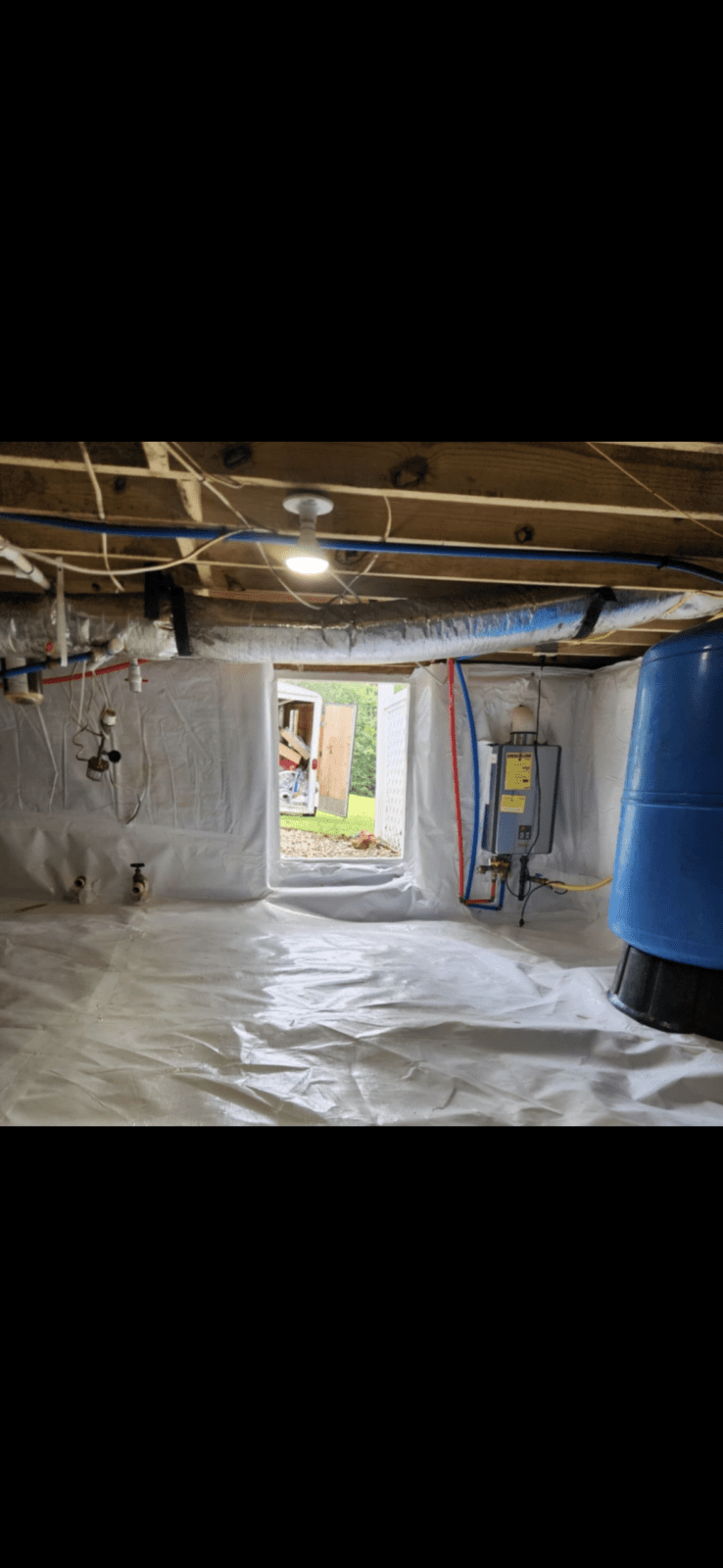
Crawl space repair and encapsulation are vital for preventing moisture-related issues in older homes. These services help create a dry, healthy environment that protects the home’s foundation and overall structure.
Crawl space encapsulation reduces foundation moisture by sealing the crawl space with a vapor barrier, which prevents moisture from entering. By reducing humidity levels, encapsulation also enhances indoor air quality, making the home healthier for occupants. Furthermore, a well-encapsulated crawl space can improve energy efficiency by regulating temperature and reducing heating and cooling costs. These benefits make encapsulation a worthwhile investment for homeowners.
Effective crawl space repair typically involves the use of high-quality polyethylene sheets as vapor barriers to cover the ground and walls, preventing moisture intrusion. Rigid foam insulation is often installed to maintain temperature and reduce energy costs. Additionally, installing dehumidifiers helps control humidity levels, further protecting the crawl space from moisture. These materials and methods work together to create a robust defense against moisture.
Foundation waterproofing is essential for protecting older homes from water damage. Various services and products are available to ensure effective moisture control.
Recommended waterproofing products include liquid waterproofing membranes that create a seamless barrier on foundation walls, preventing water penetration. Installing interior or exterior drainage systems helps redirect water away from the foundation. High-quality moisture barriers can be applied to walls and floors to prevent water ingress. These products are crucial for maintaining a dry foundation.
Sump pump installation is an effective method for preventing basement flooding by actively removing water that accumulates in the basement, preventing overflow. Many sump pumps are equipped with float switches that activate automatically when water levels rise. Battery backup systems ensure that the sump pump continues to operate during power outages, providing additional protection. This proactive approach significantly reduces the risk of water damage.
Beyond sump pumps, addressing external factors like footing drains and sewer system capacity is also vital for comprehensive basement flood prevention.
Mold prevention and remediation are critical components of maintaining a healthy home environment, especially in older homes prone to moisture issues.
Effective mold prevention strategies include ensuring proper ventilation in attics and crawl spaces to help reduce humidity levels. Conducting routine inspections for signs of moisture and mold can help catch issues early. Implementing waterproofing solutions, such as encapsulation and drainage systems, minimizes moisture exposure. These strategies work synergistically to prevent mold growth.
Mold remediation becomes necessary when mold is visible on surfaces, as it must be addressed immediately to prevent health risks. Individuals with respiratory issues or allergies may experience exacerbated symptoms due to mold exposure. Persistent musty odors often indicate hidden mold growth, necessitating professional remediation. Timely action is essential to ensure a safe living environment.
Business Name:
Capps Crawlspace and Construction, LLC
Address:
1953 River Rd Unit C, Henrico, NC 27842
Phone:
434-594-1219 (VA)
252-308-2231 (NC)
Business Hours:
Monday-Sunday: 8:00 AM- 8:00 PM
